
- English
- Español
- Português
- русский
- Français
- 日本語
- Deutsch
- tiếng Việt
- Italiano
- Nederlands
- ภาษาไทย
- Polski
- 한국어
- Svenska
- magyar
- Malay
- বাংলা ভাষার
- Dansk
- Suomi
- हिन्दी
- Pilipino
- Türkçe
- Gaeilge
- العربية
- Indonesia
- Norsk
- تمل
- český
- ελληνικά
- український
- Javanese
- فارسی
- தமிழ்
- తెలుగు
- नेपाली
- Burmese
- български
- ລາວ
- Latine
- Қазақша
- Euskal
- Azərbaycan
- Slovenský jazyk
- Македонски
- Lietuvos
- Eesti Keel
- Română
- Slovenski
- मराठी
- Srpski језик
الجرافيت isostatic الصين مصنعون وموردون ومصنعون
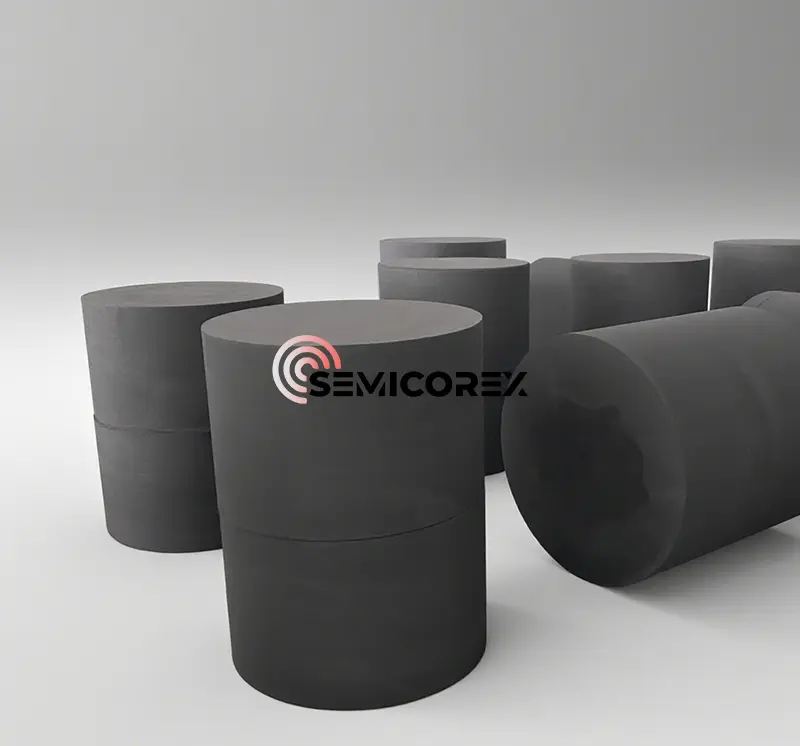
Carbon/graphite material molding essentially involves increasing the density of the powder mixture and ensuring close contact between the aggregate and binder to produce a green body with a desired size, morphology, and minimal machining allowance. The four main molding methods are extrusion, compression molding, vibration molding, and isostatic pressing. Common carbon/graphite materials on the market (for example, charcoal used for household fires) are mostly formed using hot extrusion and compression molding (cold or hot). Isostatic pressing offers superior molding performance.
The principle of isostatic pressing is based on Pascal's law: pressure applied to a medium (liquid or gas) in a sealed container is uniformly distributed in all directions, with the pressure on the surface being proportional to the surface area. Isostatic pressing involves placing a sample, enclosed in a sealed container, within a high-pressure cylinder. Leveraging the incompressible nature of the liquid medium and its ability to uniformly transmit pressure, the sample is uniformly pressed from all directions. When the fluid is injected into the cylinder, the pressure is evenly transmitted in all directions according to the principles of fluid mechanics. The sample in the cylinder is then subjected to uniform pressure in all directions.
Due to the isostatic pressing method, isostatically pressed graphite exhibits excellent isotropy, with properties independent of shape, size, or sampling direction. The material possesses a dense microstructure, high mechanical strength, high surface hardness, and oxidation resistance. Strong performance and high-temperature resistance; the material has excellent thermal shock resistance and is less susceptible to cracking under rapid cooling and heating conditions.
1. Isotropy
Different molding methods result in different properties in different directions. This is primarily reflected in resistivity, thermal conductivity, mechanical properties, and thermal expansion coefficient. The general measurement method is to sample the product perpendicular to and horizontally from the pressure surface, measure the properties separately, and then divide the smallest value by the largest value to obtain the isotropy ratio.
Traditional carbon/graphite products exhibit significant anisotropy, i.e., the properties of the product are different in the directions perpendicular to and horizontal to the pressure surface. The corresponding difference in performance is generally greater than 1:1.1, hence the term anisotropy. In many cases, this difference is fully exploited, and the greater the difference, the better. Examples include graphite electrodes for steelmaking and brushes for motors. Many applications, such as EDM and single-crystal silicon thermal field applications, increasingly require carbon/graphite products to exhibit isotropy (with an orientation ratio within the 1:1.05 range).
2. Large Dimensions
The market is increasingly demanding larger product sizes. For example, single-crystal silicon products have grown from 6- and 8-inch sizes to 12-inch sizes. The size of graphite materials used in thermal fields is also increasing. This is also increasing. Similar trends are seen in other related industries. Graphite for EDM, continuous casting, and nuclear reactors also requires large-scale products. This is difficult to achieve using molding and extrusion methods. The primary problem with large-scale product production is calcination cracking, and the larger the product, the higher the chance of calcination cracking.
3. Fine Structure
As a structural material, it requires high physical and chemical properties. On the one hand, the finer the particle size of the carbon particles that make up the carbon/graphite material, the denser its texture and the higher its mechanical strength.
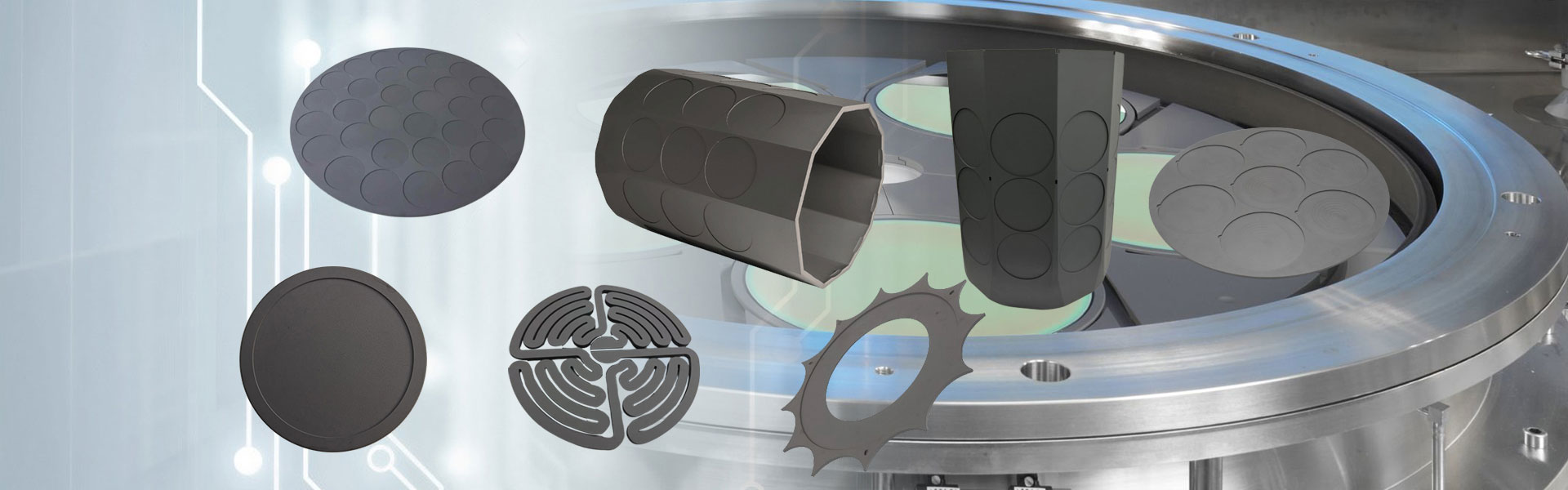
Isostatically pressed graphite is widely used in semiconductor manufacturing processes. It is used in graphite components for the hot zone of single crystal growth furnaces, such as crucibles, heaters, flow guides, and insulation covers; and in graphite components used in epitaxial processes.


- View as
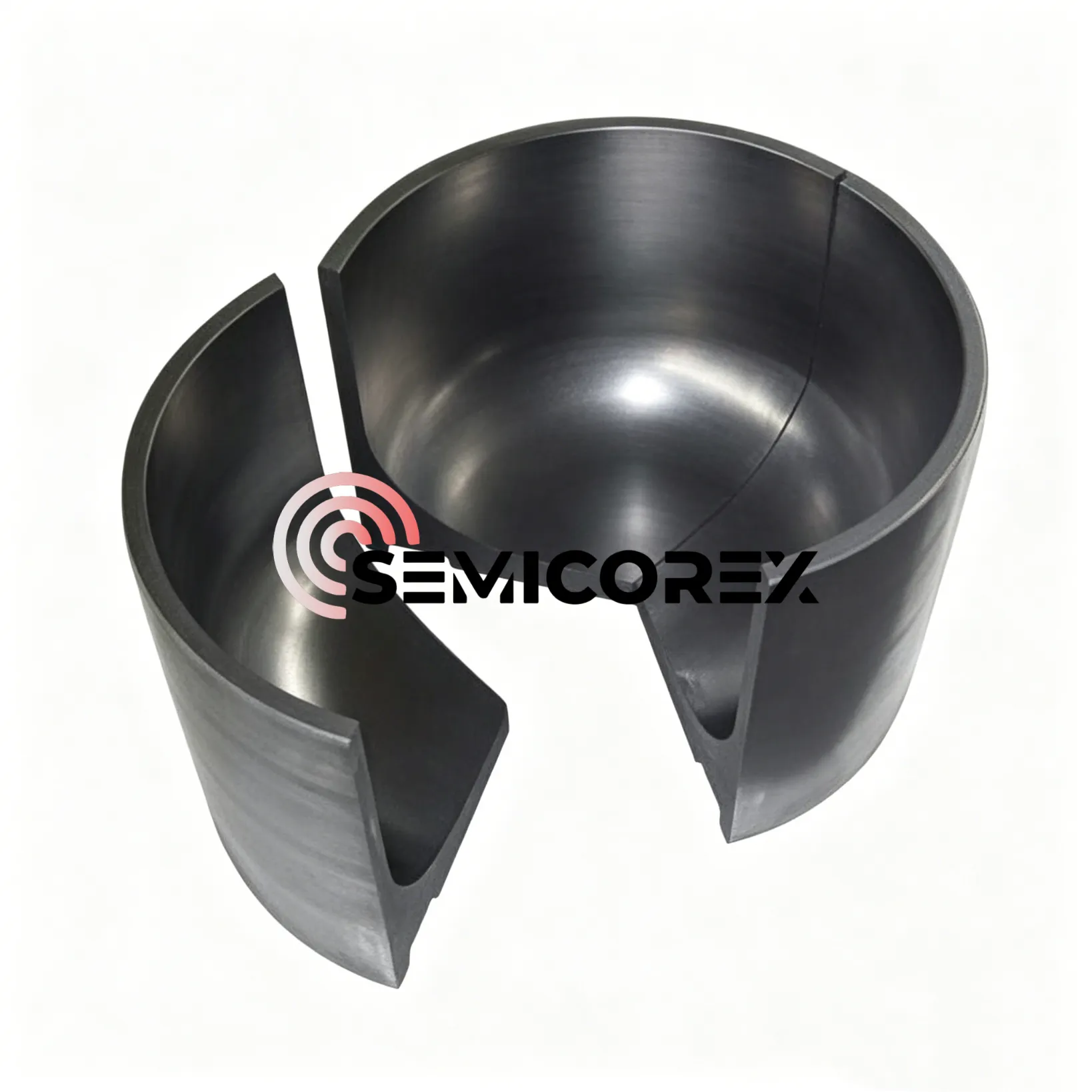
ثلاث قطع من بوتقات الجرافيت
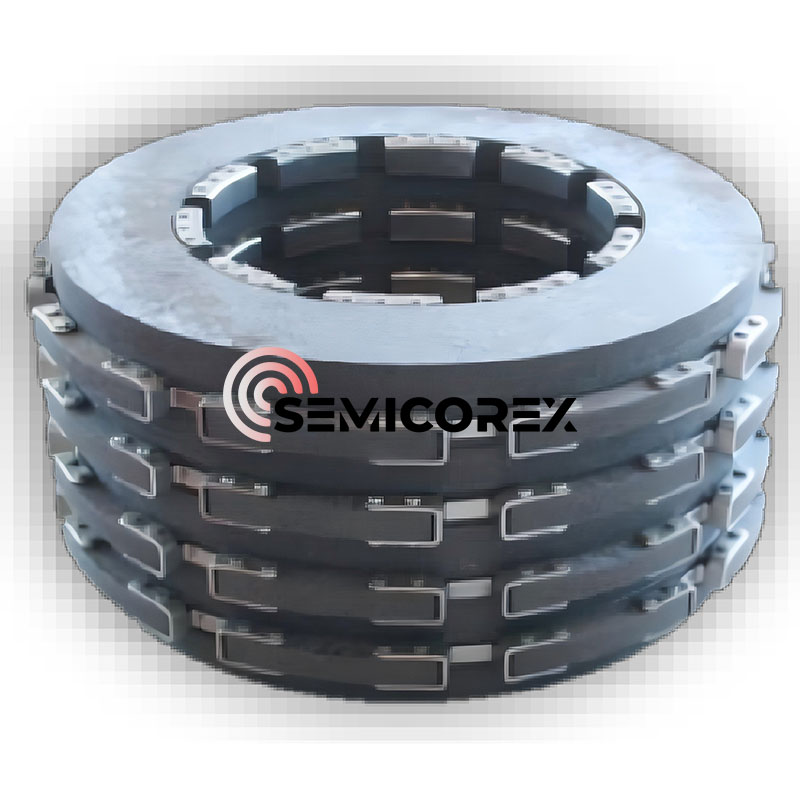
بوتقات الجرافيت المكونة من ثلاث قطع من Semicorex عبارة عن حاويات جرافيت مقسمة عالية الأداء مصممة خصيصًا لعمليات نمو السيليكون أحادي البلورة. مثالية للمعالجة الحرارية لأشباه الموصلات المتطورة، يمكن لبوتقة الجرافيت المكونة من ثلاث قطع من Semicorex أن تدعم بشكل موثوق بوتقة الكوارتز وموادها الداخلية لتحقيق النمو المتحكم فيه للهياكل أحادية البلورة.
اقرأ أكثرإرسال استفسار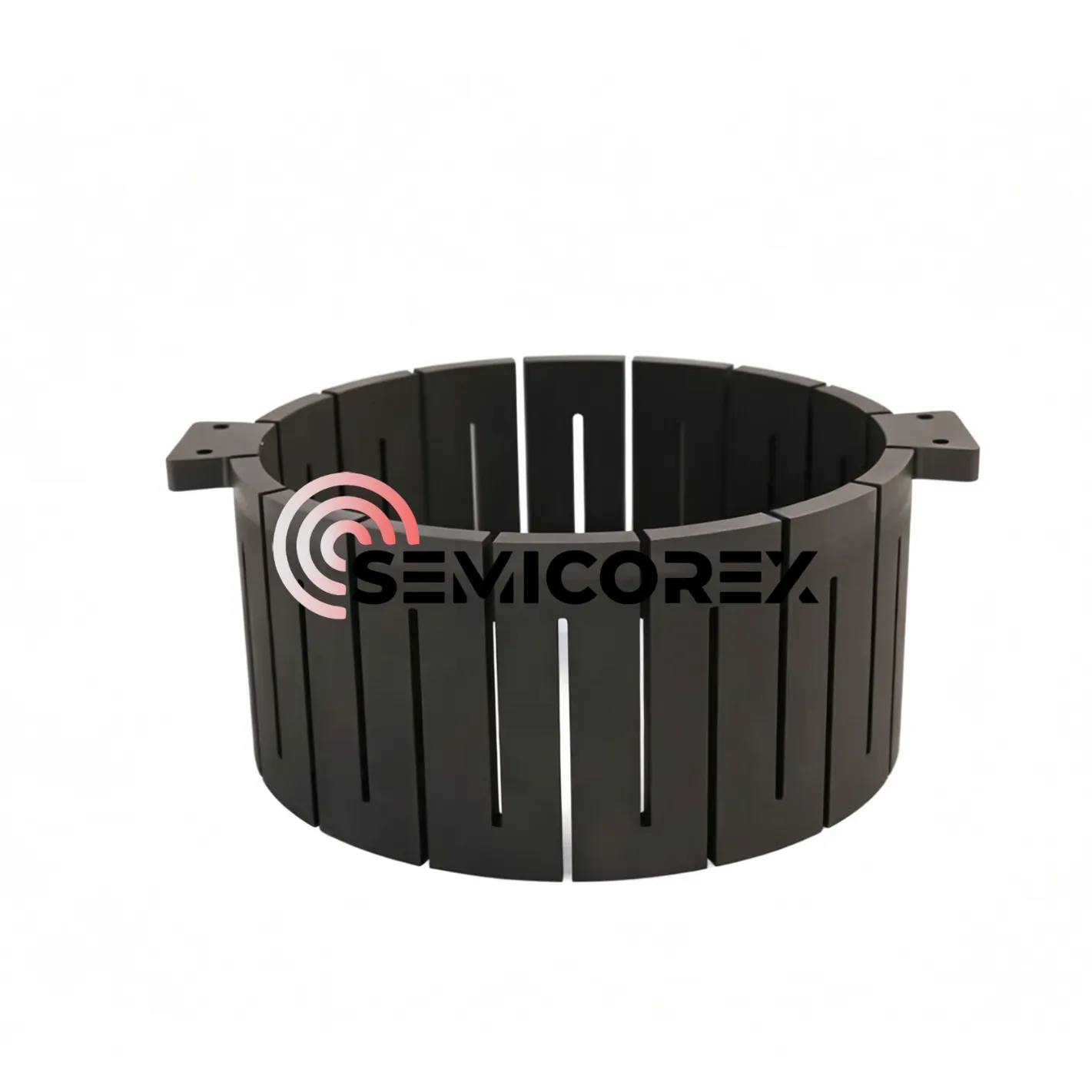
سخانات الجرافيت من نوع الأكمام
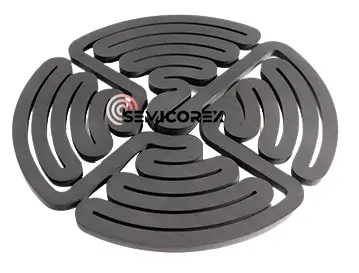
سخانات الجرافيت من نوع Semicorex، هي عناصر تسخين عالية الكفاءة، تستخدم على نطاق واسع في أفران النمو أحادية البلورة. تعد سخانات الجرافيت من نوع Semicorex من مكونات التسخين المهمة المستخدمة على نطاق واسع في الأفران البلورية المفردة، والتي تم تصميمها خصيصًا لنمو السيليكون أحادي البلورية عالي الجودة. اختيار Semicorex هو اختيار الحلول المثالية للمعالجة الحرارية.
اقرأ أكثرإرسال استفسار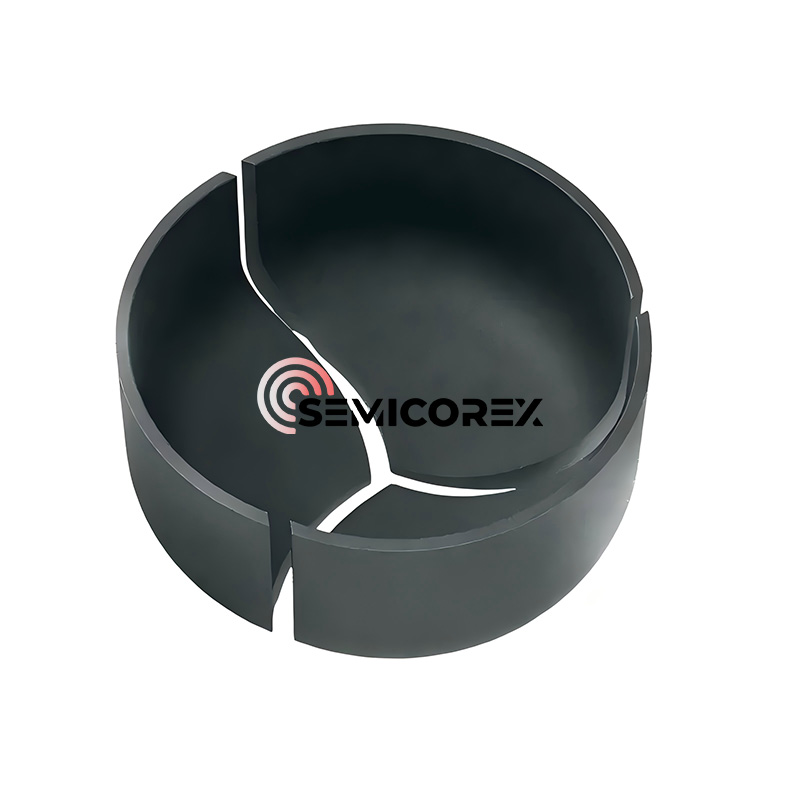
بوتقة الجرافيت ذات الثلاث بتلات
تتميز بوتقات الجرافيت ثلاثية البتلات عالية النقاء من Semicorex ببنية مبتكرة لتخفيف الضغط مصممة لتعظيم عوائد نمو البلورات في البيئات الحرارية الشديدة لأشباه الموصلات. تقدم شركة Semicorex حلول مواد أشباه الموصلات ذات المستوى العالمي في جميع أنحاء العالم، مما يعمل على تمكين الصناعات المتقدمة من خلال مكونات الجرافيت والسيراميك المصممة بدقة والمدعومة بلوجستيات عالمية موثوقة.*
اقرأ أكثرإرسال استفسار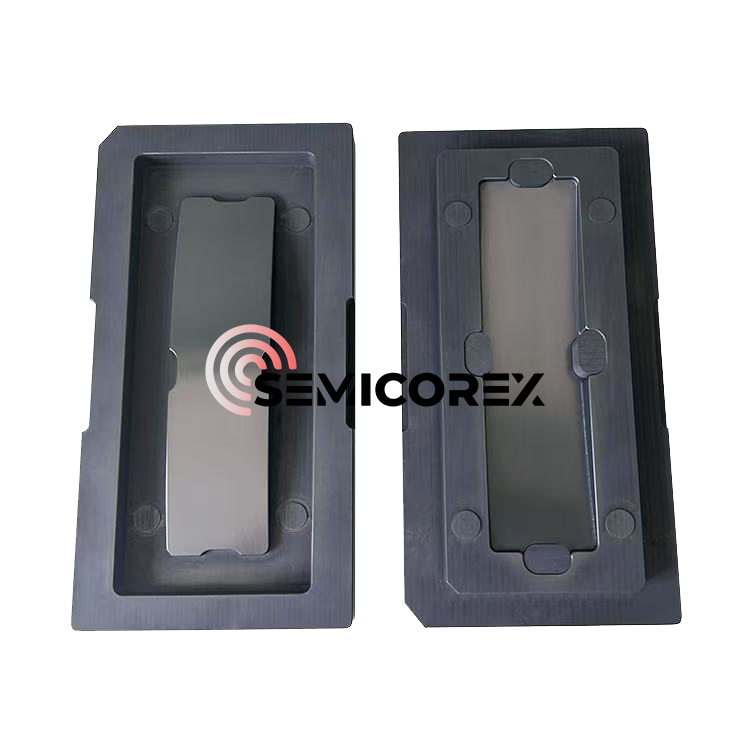
قالب جرافيت زجاجي منحني على الساخن
تم تصميم قالب الجرافيت الزجاجي من سيميكوركس بدقة من الجرافيت عالي النقاء والحبيبات الدقيقة لتوفير مقاومة استثنائية لدرجات الحرارة العالية، وثبات الصدمات الحرارية، والتشحيم الذاتي، والمتانة الكيميائية، مما يضمن زجاج منحني ثلاثي الأبعاد عالي الجودة مع الحد الأدنى من العيوب. تم اختيار Semicorex لخبرتها العميقة وتصميمها المتقدم للقالب والتحكم الدقيق في العمليات، مما يؤدي إلى زيادة الإنتاجية بشكل فعال وتلبية متطلبات الإنتاج الأكثر تطلبًا.*
اقرأ أكثرإرسال استفسار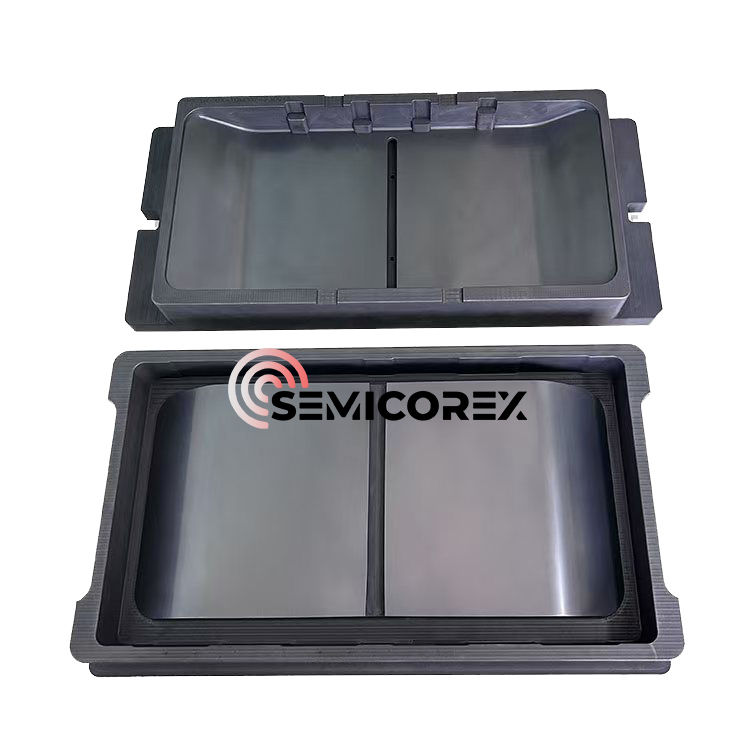
قالب جرافيت زجاجي منحني ساخن ثلاثي الأبعاد
قالب الجرافيت الزجاجي ذو الانحناء الساخن ثلاثي الأبعاد من Semicorex هو قالب جرافيت متوازن التضاغط مصمم للزجاج المنحني ثلاثي الأبعاد الساخن، مما يوفر ثباتًا حراريًا ممتازًا، وموصلية حرارية، ومقاومة التآكل والتآكل، وتحسين جودة سطح الزجاج، وإطالة عمر القالب، وتعزيز كفاءة الإنتاج والعائد بشكل كبير. تم اختيار Semicorex لجودتها الموثوقة وإمداداتها المتسقة وخبرتها في تقديم حلول الجرافيت المتقدمة في جميع أنحاء العالم.*
اقرأ أكثرإرسال استفسار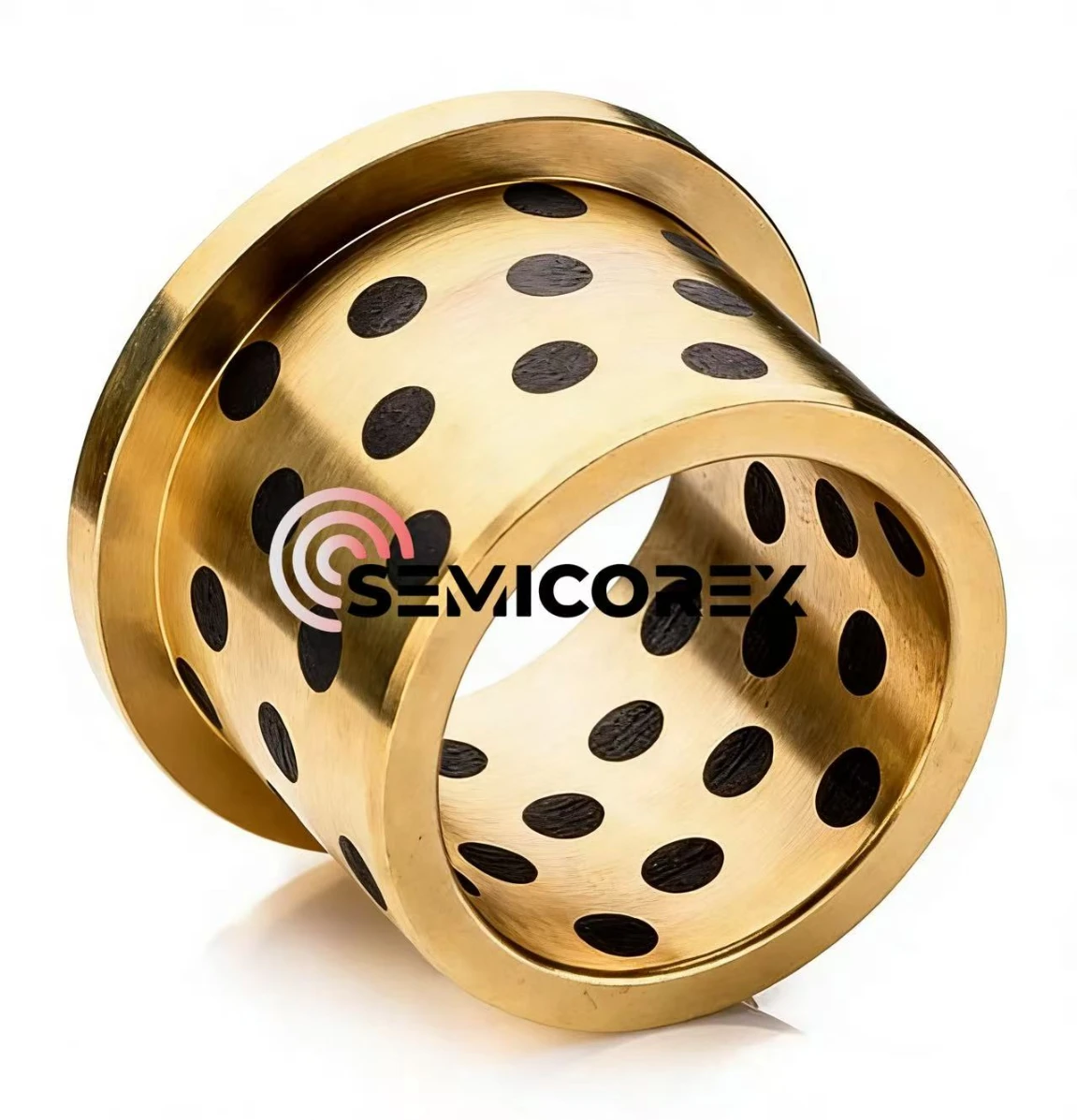
البطانات الجرافيتية ذاتية التشحيم
البطانات ذاتية التشحيم من الجرافيت Semicorex، والتي تسمى أيضًا البطانات الخالية من الزيت، هي مكونات محمل انزلاقية عالية الأداء مصممة خصيصًا للعمل بدون تزييت خارجي أو إمداد بالزيت. مع الأداء الممتاز، تعد البطانات ذاتية التشحيم من الجرافيت Semicorex هي الحلول المثالية للمعدات التي تعمل في بيئات معقدة بما في ذلك التشغيل الخالي من الزيوت، ودرجات الحرارة العالية، والأحمال العالية، والسرعات المنخفضة، ومقاومة الأوساخ، ومقاومة التآكل، ومقاومة الإشعاع.
اقرأ أكثرإرسال استفسار
تقوم Semicorex بإنتاج الجرافيت isostatic لسنوات عديدة وهي واحدة من الجرافيت isostatic المصنعين والموردين المحترفين في الصين. بمجرد شراء منتجاتنا المتطورة والمتينة التي توفر تعبئة سائبة ، فإننا نضمن الكمية الكبيرة في التسليم السريع. على مر السنين ، قدمنا للعملاء خدمة مخصصة. العملاء راضون عن منتجاتنا والخدمة الممتازة. نتطلع بصدق إلى أن نصبح شريكًا تجاريًا موثوقًا به على المدى الطويل! مرحبا بكم في شراء المنتجات من المصنع.